

Top 5 Ants Coastal Georgia Homeowners Recognize: Which Ones Sting, Damage Wood, or Invade Kitchens?
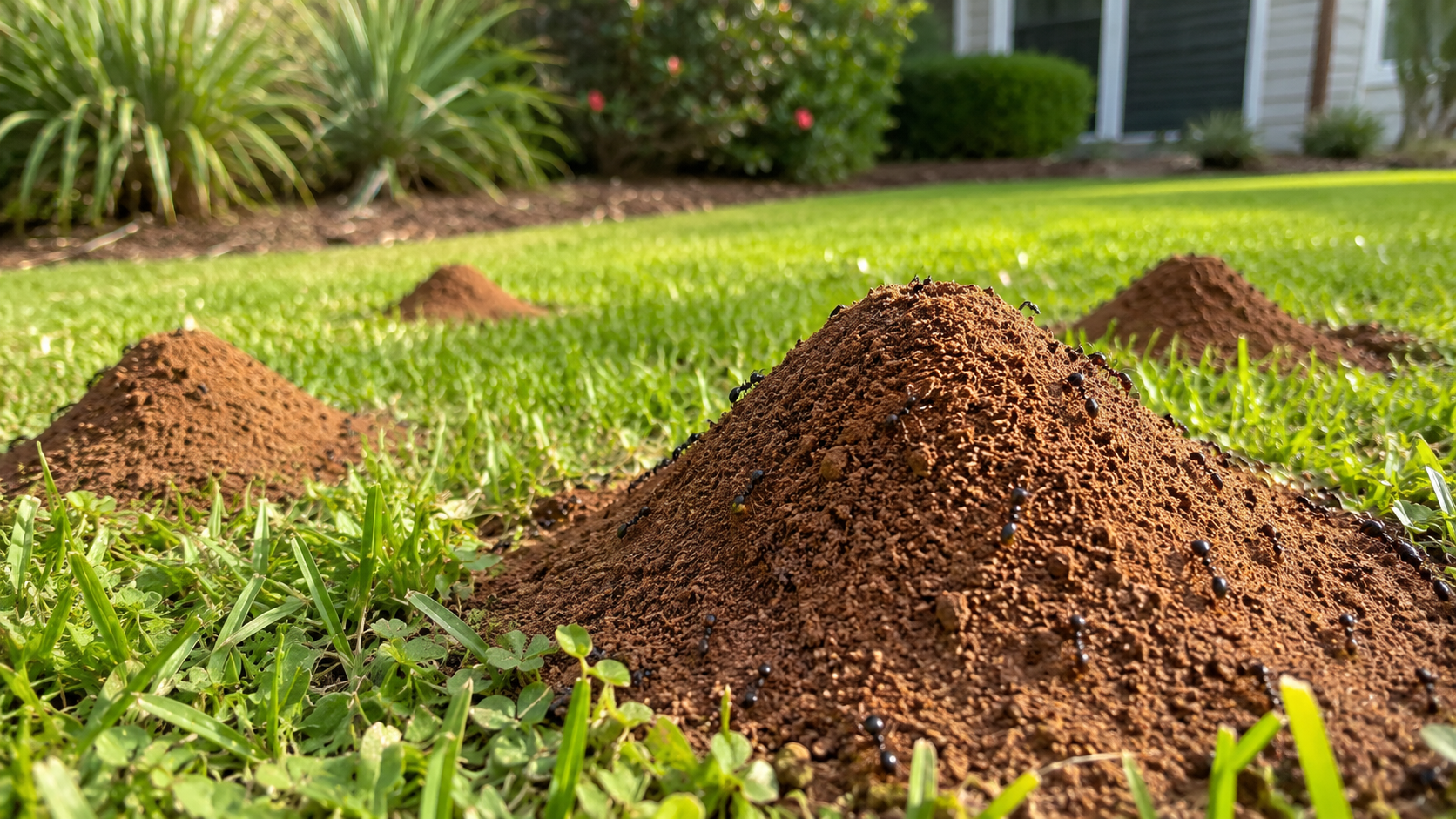
When ants show up around your home, it is easy to treat them like one simple problem. A trail across the kitchen counter, a mound in the yard, or a few large ants near a window may all look like "just ants." In reality, different ants create very different concerns.
Some ants sting. Some can point to wood or moisture problems. Others are mostly nuisance pests that keep returning to kitchens, bathrooms, mulch beds, and foundations. In coastal Georgia communities like Savannah, Pooler, Tybee Island, Richmond Hill, Hinesville, Statesboro, Brunswick, St. Simons Island, Sea Island, and nearby areas, correct identification matters because warm, humid weather can keep ant pressure active through much of the year.
At Yates-Astro Termite & Pest Control, we help homeowners understand where ant activity is coming from and what type of treatment makes sense. Here are five common ants Coastal Georgia homeowners may recognize and how to tell which ones sting, which ones are harmful, which ones can affect wood, and which ones are mainly a nuisance.
Why Ant Identification Matters
Ant control is not one-size-fits-all. A fire ant mound in the lawn is different from small brown ants trailing through a kitchen. Carpenter ants near damp wood are different from nuisance ants around sweets or water.
That is why we look beyond the ants you can see. We also consider where they are nesting, how they are entering, what they are feeding on, and whether moisture, mulch, wood, or landscaping is making the property more attractive to them.
The wrong treatment can also make ant problems harder to manage. Spraying visible trails may kill a few workers, but it may not reach the colony. In some cases, it can scatter activity and make the problem seem like it moved instead of being solved. A careful inspection helps connect the visible activity to the hidden source.
Fire Ants: The Stinging Yard Ants
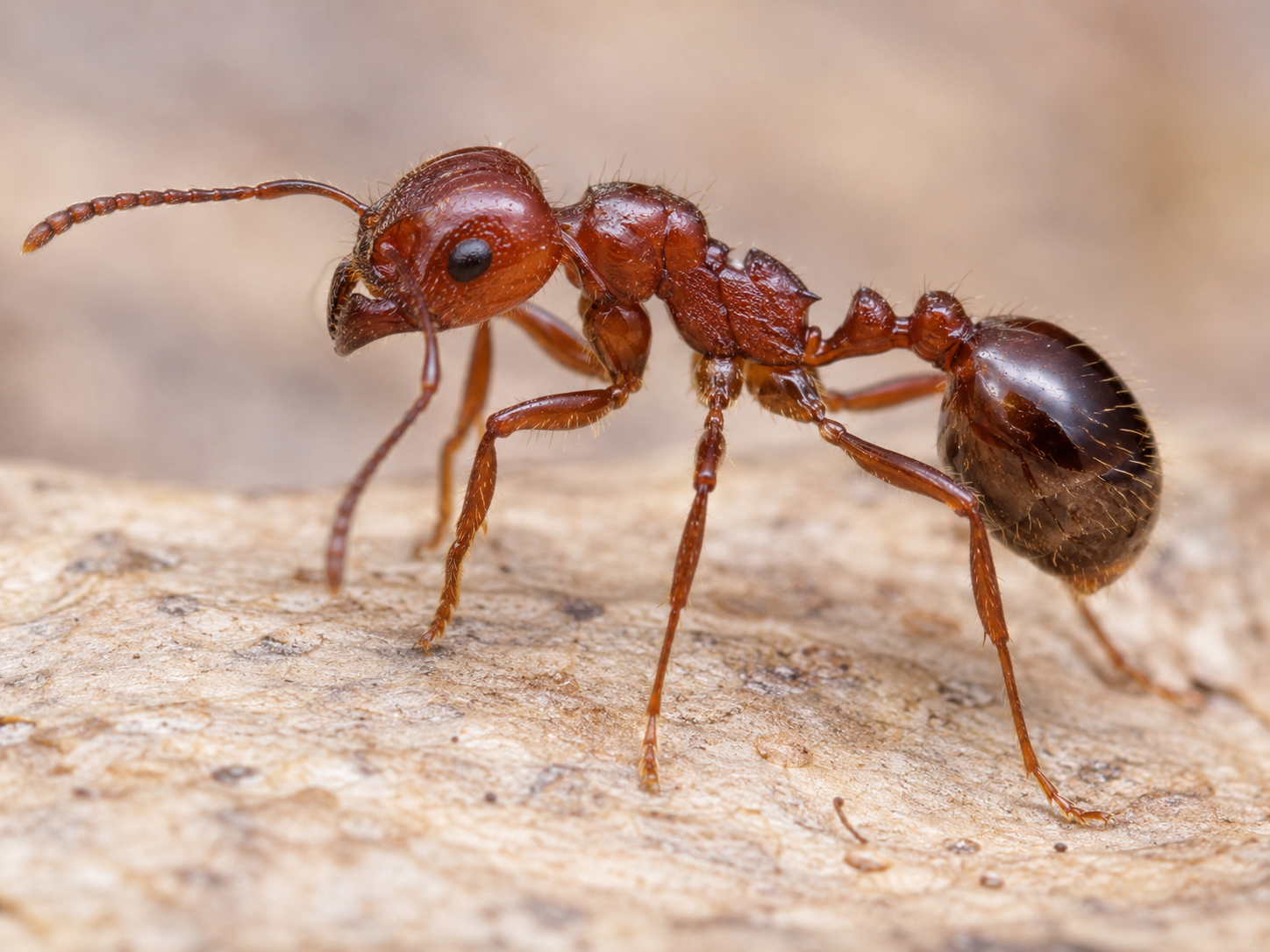
Fire ants are the classic red ants many people recognize from yard mounds. They are known for aggressive swarming behavior when a mound is disturbed and for painful stings that can make lawns, gardens, and play areas difficult to use.
UGA Extension notes that fire ant hills are prevalent in almost every Georgia county, which is why they are such a familiar problem for local homeowners. Fire ants are not wood-destroying, but they are harmful because of the sting risk, especially around children, pets, and high-traffic outdoor areas. They can also make routine yard work uncomfortable when mounds appear near walkways, play spaces, or garden beds.
If you notice mounds in sunny open areas, along sidewalks, near landscaping, or around turf, it may be time to look at fire ant control before the problem spreads.
Quick classification:
- Stinging? Yes
- Harmful? Yes
- Wood-destroying? No
- Mostly harmless? No
Carpenter Ants: The Wood-Damaging Ants
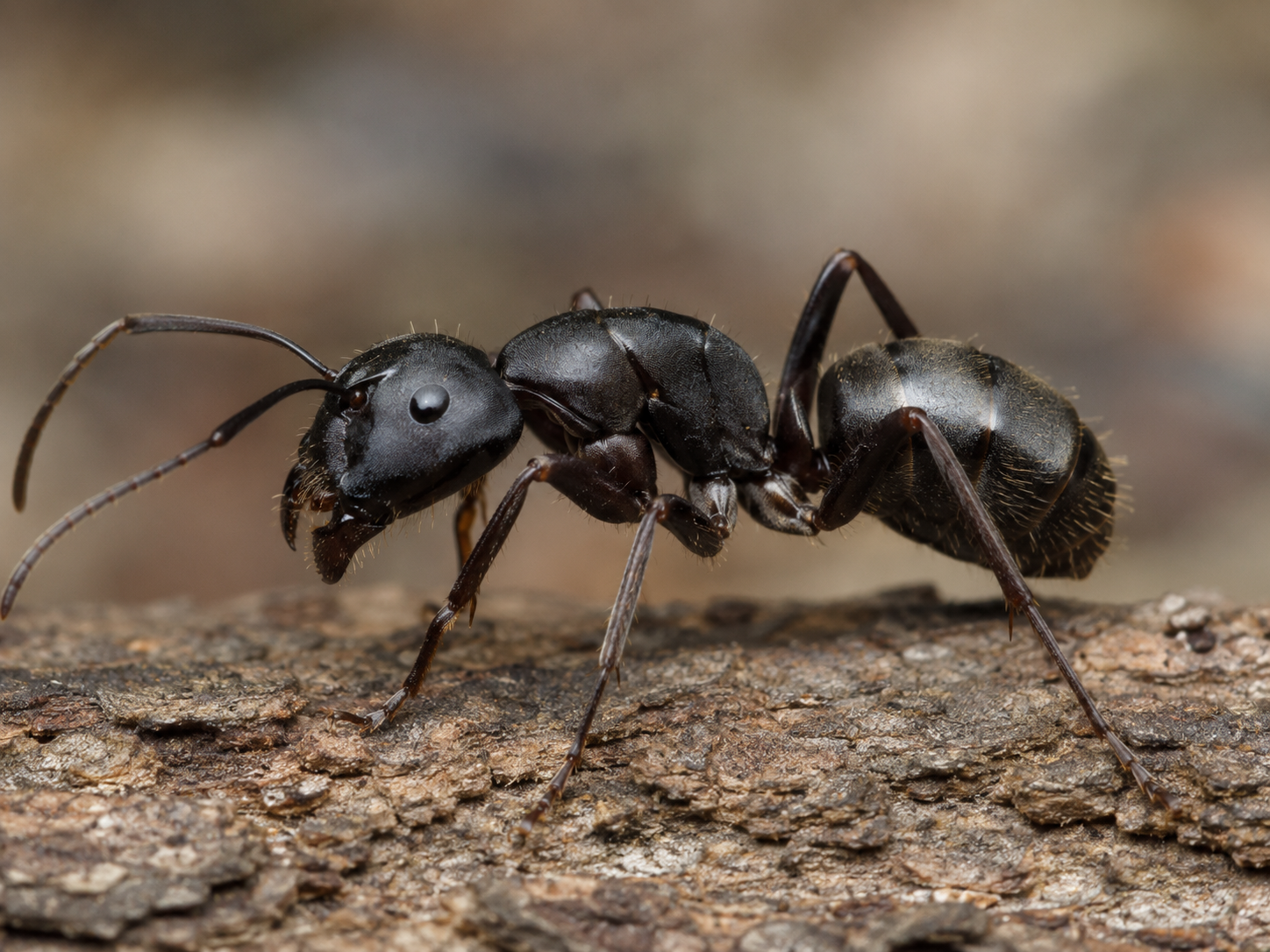
Carpenter ants are larger ants that homeowners often notice because of their size. Many people think of them as big black ants, but in south and southeast Georgia, the Florida carpenter ant may have a reddish head and chest with a darker rear section.
Carpenter ants are not the same as termites. They do not eat wood for food. Instead, they excavate wood to create nesting galleries. That still matters because carpenter ant activity can point to moisture-damaged wood, leaks, decay, or other conditions around the structure.
If you are seeing large ants indoors, especially near windows, bathrooms, kitchens, crawl spaces, rooflines, or damp wood, it is worth taking seriously. If you are also seeing winged insects, our blog on flying ants versus termites in Georgia can help explain why identification is so important.
Quick classification:
- Stinging? No stinger, but they can bite
- Harmful? Yes, when nesting in wood
- Wood-destroying? Yes, because they excavate wood
- Mostly harmless? No
Argentine Ants and Odorous House Ants: The Kitchen Invaders
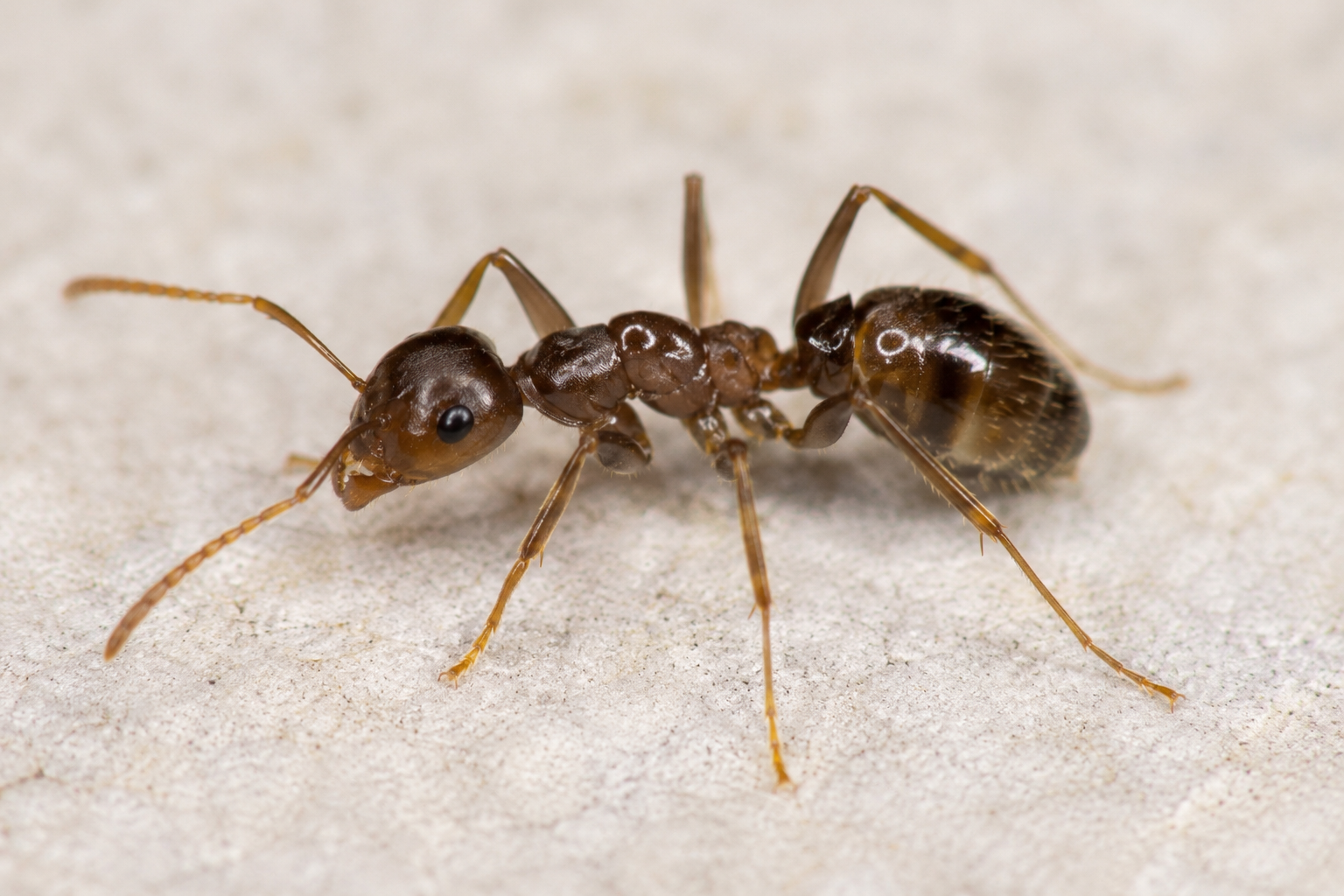
Argentine ants are often called "sugar ants" by homeowners because they are commonly noticed around kitchens, bathrooms, pantry areas, sinks, and sweet food sources. They are small brown ants that can form strong trails and return even after counters are wiped clean.
Odorous house ants are tiny dark brown to black ants that also show up near sweets and water. Their giveaway is the rotten-coconut-like smell they release when crushed.
These ants do not sting and they do not destroy wood, but they can be very persistent. Around coastal Georgia homes, they may nest near mulch, pine straw, potted plants, leaf litter, foundations, and moist areas. When they move indoors, the issue is often connected to food access, moisture, or an outdoor colony close to the home.
Quick classification:
- Stinging? No
- Harmful? Low direct risk, but frustrating indoors
- Wood-destroying? No
- Mostly harmless? Mostly nuisance pests
Tawny Crazy Ants: The Fast, Erratic Coastal Nuisance
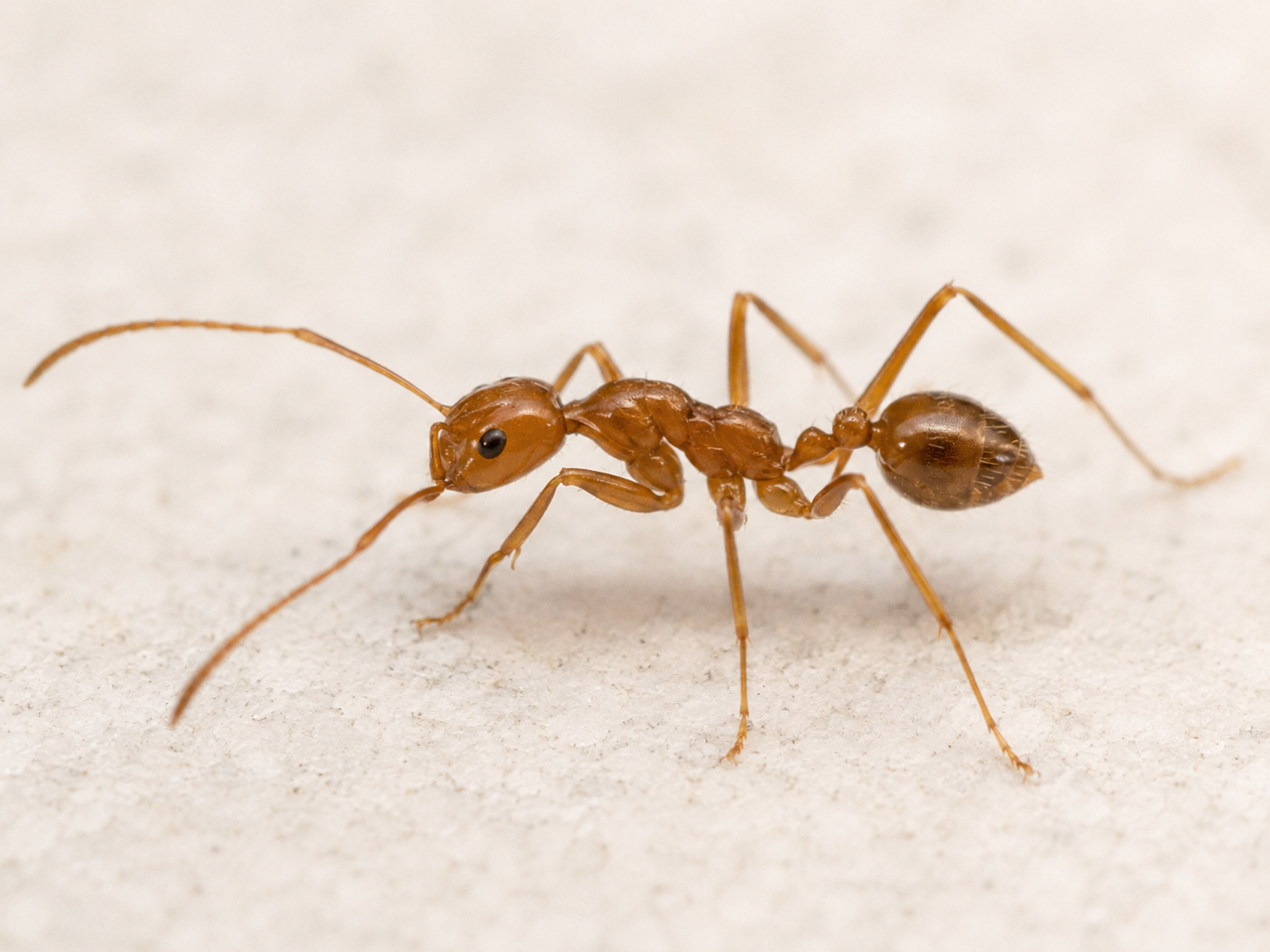
Tawny crazy ants are small reddish-brown ants known for fast, erratic movement. Instead of marching in neat lines, they move in a scattered pattern that can look disorganized compared to other ant trails.
They are especially worth knowing in coastal southeast Georgia because UGA has reported them in areas such as Camden and Glynn counties. Where they become established, they can build large populations and create heavy nuisance activity around homes, landscapes, outdoor spaces, and structures.
Tawny crazy ants do not sting like fire ants and are not usually treated as wood-destroying ants. However, they are not something to ignore if activity becomes widespread. Large colonies can be difficult to manage without a plan that addresses nesting areas, debris, moisture, and entry points.
Quick classification:
- Stinging? No
- Harmful? Can be a major nuisance
- Wood-destroying? Not usually
- Mostly harmless? Not if large colonies are established
When to Call Yates-Astro for Ant Control
If ants keep returning, the problem is usually bigger than the few ants you can see. The colony may be outside near mulch or pine straw. It may be entering through gaps around doors, windows, pipes, or the foundation. It may also be connected to moisture, food sources, damaged wood, or heavy landscaping.
Professional ant control can help identify the species, locate likely nesting areas, and choose a treatment approach that fits the situation. At Yates-Astro, we also help homeowners with broader termite control when ant activity raises questions about wood, moisture, or structural concerns.
Not all ants are the same. Fire ants can sting, carpenter ants can damage wood, and small nuisance ants can keep returning when the source is not addressed. If ants are showing up around your kitchen, yard, crawl space, foundation, or wood areas, contact Yates-Astro to schedule service for your Coastal Georgia home.
