

How Do I Keep Pests Out of My Coastal Georgia Home This Fall?
Quick answer: Start before pests become visible. Seal exterior gaps, repair worn screens and door sweeps, reduce moisture, store food and trash securely, clear clutter, and schedule a professional inspection if you notice repeated activity. In coastal Georgia, fall pest prevention works best when homeowners address both the ways pests enter and the conditions that make a home attractive.
Fall in coastal Georgia does not always bring a dramatic drop in temperature, but even small seasonal changes can affect pest activity. Cooler nights, heavy rain, changing food sources, and increased time indoors can push cockroaches, spiders, ants, and rodents closer to homes. In communities such as Savannah, Pooler, Richmond Hill, Rincon, Hinesville, Statesboro, Brunswick, Tybee Island, and St. Simons Island, humidity and mild weather can keep pests active well beyond summer.
At Yates-Astro Termite & Pest Control, we help homeowners prepare for these changes with practical prevention and general pest control services designed for local conditions. The goal is not to wait for a pest to appear in the kitchen or attic. It is to make the property harder to enter, less inviting, and easier to monitor.
Which Pests Commonly Enter Coastal Georgia Homes During Fall?
The most common fall invaders are pests looking for food, moisture, shelter, or a stable place to hide. The exact pest depends on the property, but several groups deserve extra attention.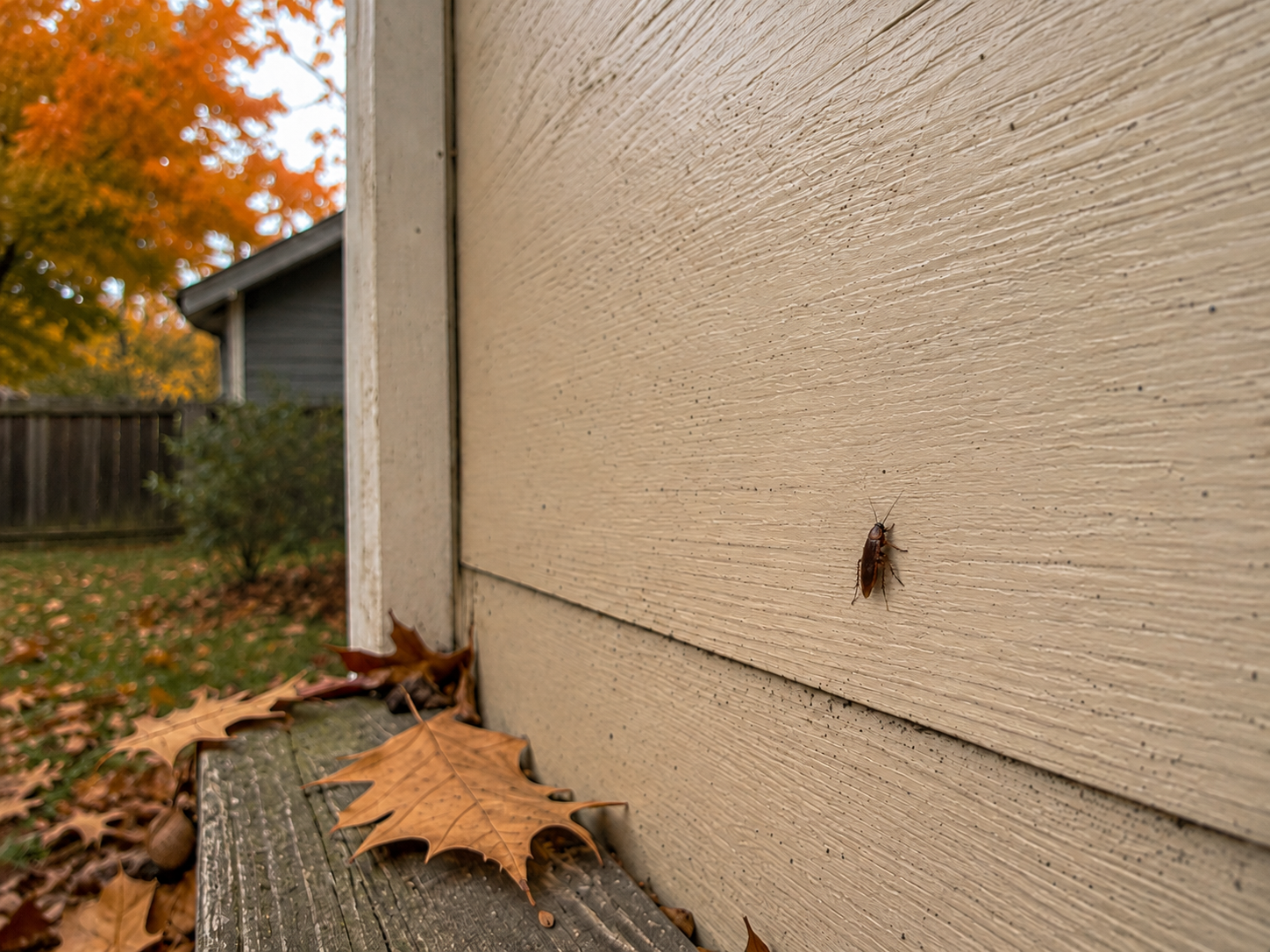
- Cockroaches: Large outdoor cockroaches, sometimes called palmetto bugs, may move through gaps around doors, crawl spaces, plumbing lines, garages, and roof areas. Indoor activity can also point to food, moisture, or a hidden harborage area. Homeowners seeing repeated activity can learn more about our roach control services.
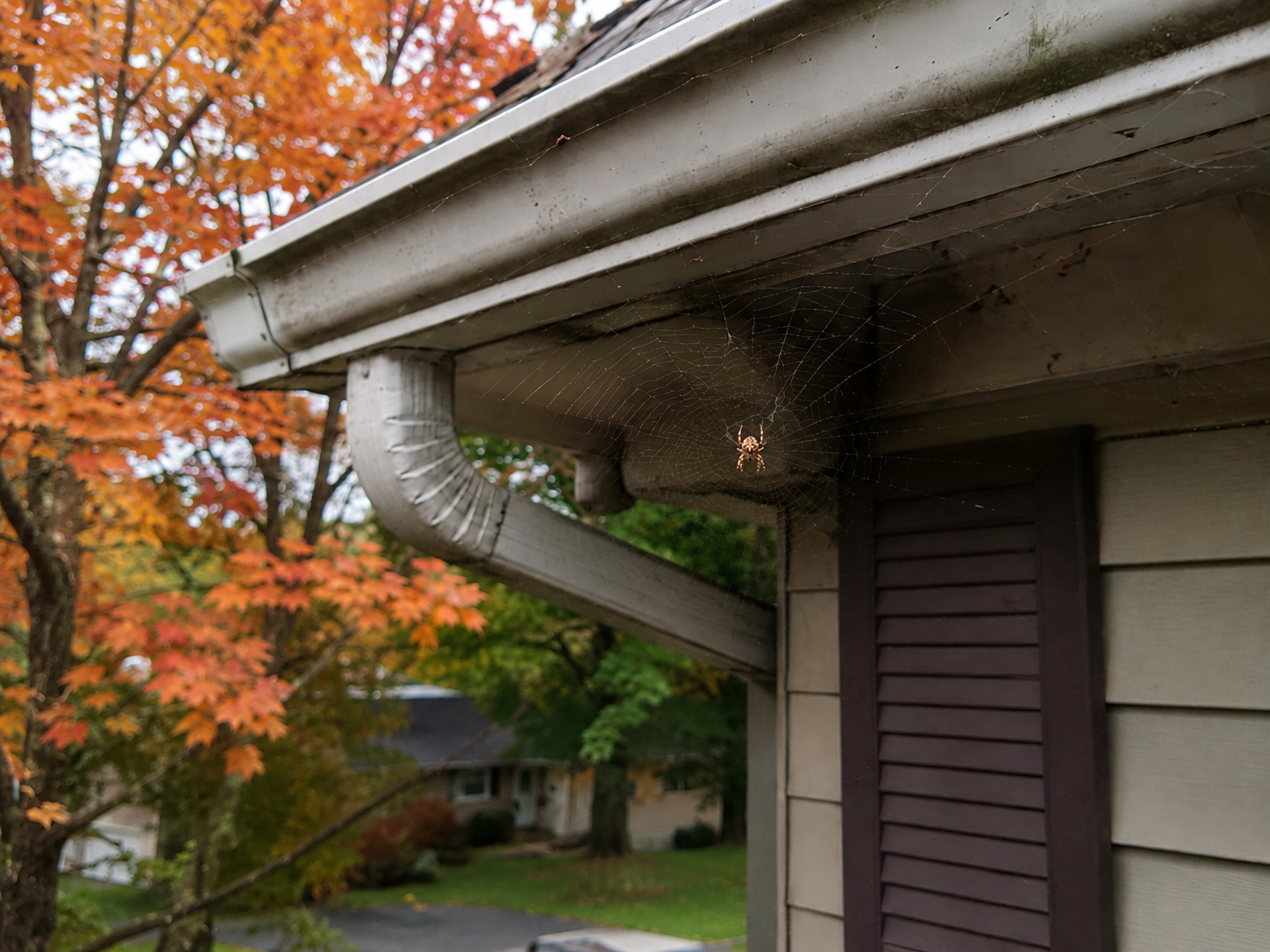
- Spiders: Spiders often follow other insects. Webs around porches, garages, windows, storage spaces, and exterior lighting may mean prey insects are active nearby. Our spider control services focus on both spider activity and the conditions supporting it.
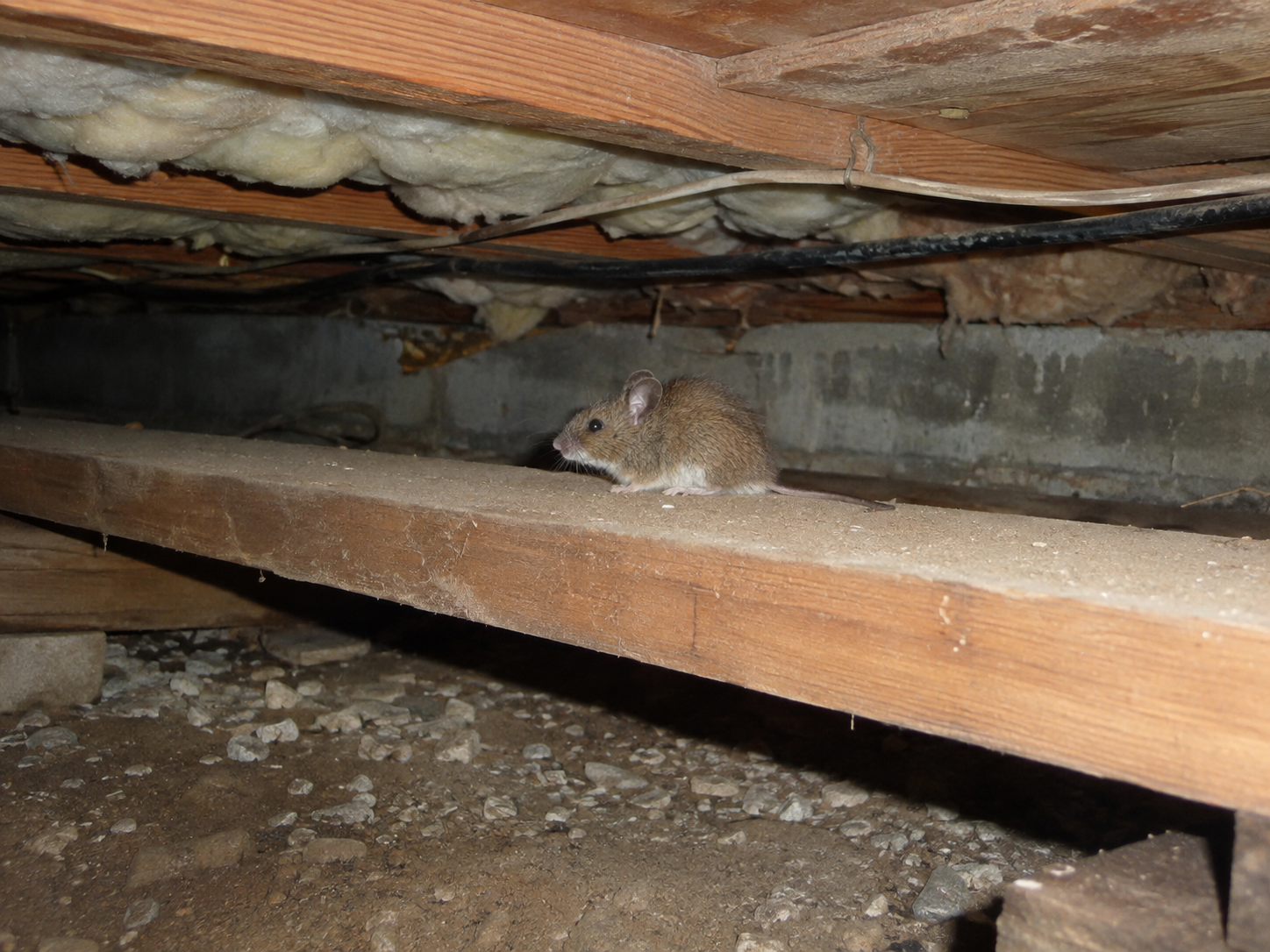
- Rodents: House mice, roof rats, and Norway rats may use rooflines, vents, utility openings, crawl spaces, garages, and damaged door seals to enter. Scratching sounds, droppings, gnaw marks, or disturbed insulation should be taken seriously. Our rodent control services include inspection, removal, and exclusion recommendations.
- Ants and other crawling pests: Ants, silverfish, earwigs, centipedes, and millipedes may show up near moisture, landscaping, foundation gaps, bathrooms, kitchens, and laundry areas. Their presence can increase after rain or when outdoor conditions change.
Seeing one pest does not always mean there is a large infestation. However, repeated sightings in the same area usually mean there is an entry point, food source, moisture problem, or nearby hiding place that needs attention.
Why Do Pests Try to Get Inside During Fall?
Just because pests enter your home does not mean your home is dirty. During fall, outdoor conditions shift, and homes can offer reliable food, water, warmth, and shelter.
Rain can drive pests out of saturated soil, mulch, drainage areas, and exterior hiding places. Cooler nights can make garages, attics, crawl spaces, wall voids, and storage rooms more attractive. Seasonal cooking, school routines, pet food, and more time spent indoors can also create new food opportunities.
Coastal properties face an additional challenge: humidity does not disappear when summer ends. A slow plumbing leak, damp crawl space, clogged gutter, condensation around an HVAC line, or shaded area near the foundation may continue supporting pest activity. Our earlier guide to Savannah's fall pest surge explains why cockroaches and rodents often become more noticeable as the season changes.
Where Should I Check for Pest Entry Points?
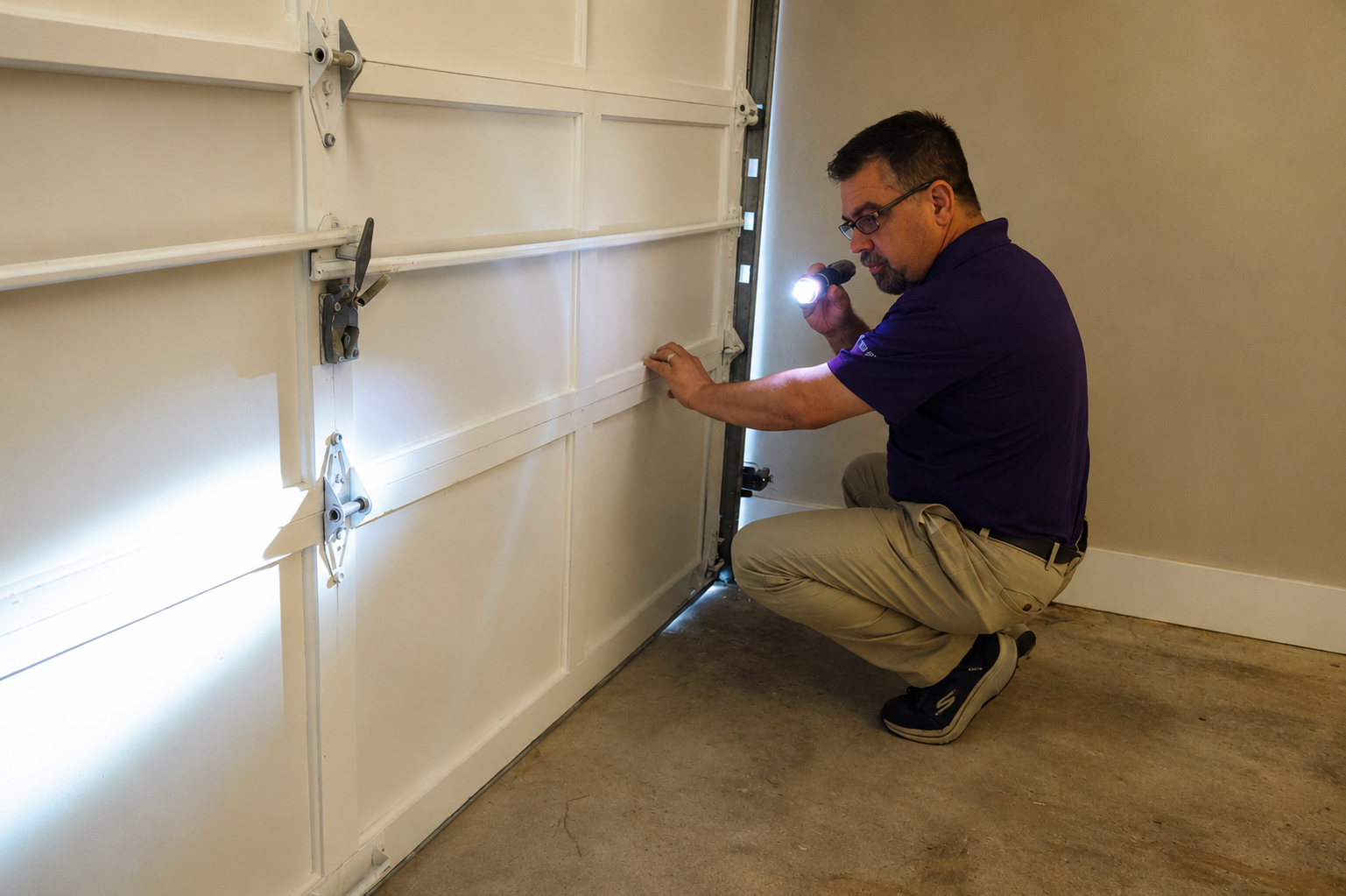
A good fall pest inspection starts outside and follows the building from the ground to the roofline. Pests rarely need a wide-open door. Small gaps, damaged materials, and frequently used entrances may be enough.
- Exterior doors: Check weather stripping, thresholds, garage doors, and door sweeps. Pay special attention to light showing beneath a closed door.
- Windows and screens: Repair torn screens and look for gaps around frames, especially in bathrooms, kitchens, and rooms near landscaping.
- Utility penetrations: Inspect areas where plumbing, electrical lines, cable, HVAC lines, and dryer vents enter the home.
- Roofline and attic: Look at soffits, fascia, vents, roof returns, and tree limbs that touch or hang close to the structure.
- Foundation and crawl space: Check vents, access doors, cracks, moisture, and gaps around pipes. Clear leaves and stored materials from these areas.
- Garage and storage areas: Watch for damaged packaging, droppings, webbing, gnaw marks, and clutter that creates undisturbed hiding places.
After storms or high winds, repeat the inspection. Damaged screens, shifted weather stripping, standing water, and debris can create new pest opportunities. Our article on how severe weather can lead to pest problems covers additional post-storm checks.
What Can I Do Now to Prevent Fall Pests?
The most effective homeowner steps are simple, but they work best when completed consistently. Focus on removing access, food, water, and shelter.
- Seal visible cracks and gaps with materials appropriate for the location. Use durable screening or metal-based materials where rodents may chew through softer products.
- Replace worn door sweeps and repair window, attic, and crawl-space screens.
- Store pantry goods, birdseed, and pet food in sturdy containers with secure lids.
- Clean crumbs and spills promptly, including beneath appliances and around pet feeding areas.
- Keep indoor and outdoor trash containers covered and clean the area around them.
- Repair leaks and reduce standing water around gutters, planters, outdoor equipment, and low spots.
- Trim shrubs and tree limbs away from the home, and avoid allowing mulch, leaves, or firewood to stay against the foundation.
- Reduce cardboard and clutter in garages, attics, closets, and storage rooms.
These steps support pest prevention, but they do not replace professional service when activity is established. A technician can identify pest species, hidden entry points, and patterns that are difficult to see during a quick homeowner inspection.
When Should I Schedule Fall Pest Control?
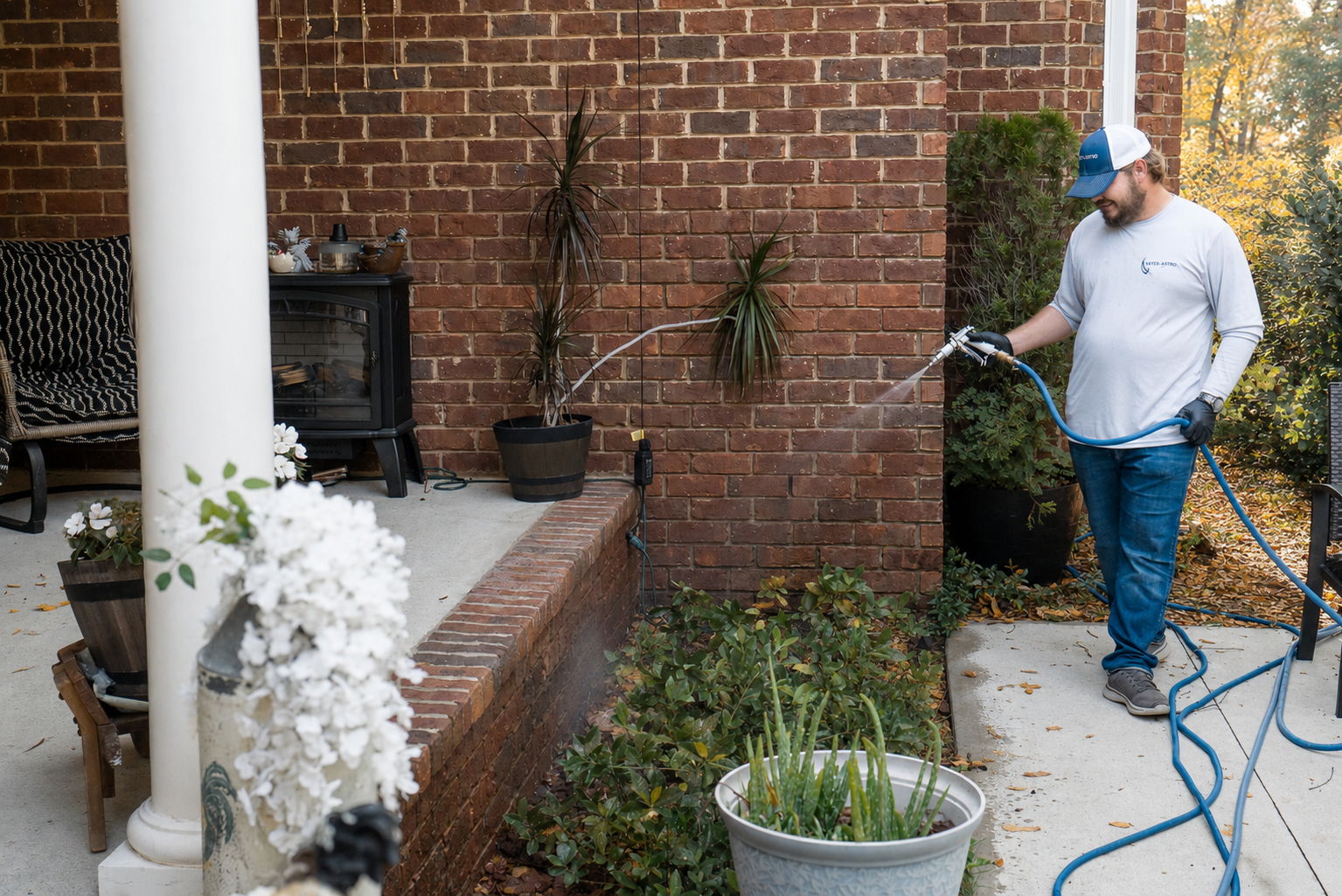
The best time to schedule service is before repeated sightings begin. Early fall is a useful time for an exterior inspection because homeowners can address worn seals, moisture, landscaping, and other risk factors before pests settle into protected spaces.
Professional help is especially important when you notice droppings, gnawing, scratching in walls or ceilings, recurring roaches, multiple spider webs, ants returning after cleanup, or activity in an attic or crawl space. It is also worth scheduling an inspection after storm damage, major landscaping work, renovations, or a long vacancy.
Homeowners across our coastal Georgia service areas deal with different building styles, moisture conditions, and nearby habitats. A home near marshland may have different pressure than a property farther inland, but both benefit from consistent inspection and prevention.
Frequently Asked Questions About Fall Pest Prevention
Does cooler weather kill pests in coastal Georgia?
Not necessarily. Coastal Georgia winters are often mild, and many pests remain active. Others move into protected spaces where temperature and moisture are more stable.
Why am I seeing more spiders inside during fall?
Spiders may move toward sheltered spaces, but an increase can also mean other insects are present. Reducing prey insects, webs, clutter, and entry points is usually more effective than removing individual spiders alone.
Can a clean home still have cockroaches or rodents?
Yes. Cleanliness helps remove food sources, but pests may still enter through structural gaps, deliveries, garages, plumbing areas, rooflines, or nearby landscaping. Prevention should combine sanitation with exclusion and monitoring.
Should I seal every hole before a rodent inspection?
Seal obvious unused gaps, but if you already hear or see rodent activity, schedule an inspection before closing every opening. A professional can determine whether rodents are inside and plan removal and exclusion in the correct order.
Is one fall treatment enough?
It depends on the pest and the property. A one-time service may address a specific issue, but recurring protection can be useful for homes with ongoing exterior pest pressure, moisture, dense landscaping, or a history of seasonal activity.
Prepare Your Coastal Georgia Home Before Pests Settle In
Fall pest prevention is easier when it begins with a clear plan: inspect entry points, reduce moisture, secure food and trash, limit hiding places, and watch for early warning signs. When pests keep returning or signs appear in hidden areas, our team can inspect the property and recommend the right level of service.
Contact Yates-Astro Termite & Pest Control at (912) 651-9000 or use our online contact form to schedule a fall pest inspection for your coastal Georgia home.
